Well done everyone!!!!
See you in September.









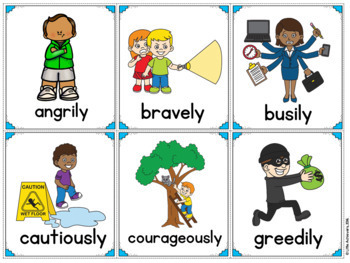
Adverbs of manner are usually formed by adding ‘-ly’ to the adjective:
1. If the adjective ends in ‘-le’, remove ‘-e’ and add ‘-y’:
2. If the adjective ends in a consonant + ‘-y’, change ‘-y’ to ‘-ily’:
3. If the adjective ends in ‘-ful’, double the ‘-l’ and add ‘-y’:
Some adverbs of manner are not formed by adding ‘-ly’:
1. ‘Well’ is the adverb of ‘good’. We often use ‘very’ and ‘quite’ with ‘well’:
2. Some adjectives ending in ‘-ly’, like ‘friendly’, ‘lovely’, ‘silly’, ‘ugly’, don’t change to become adverbs.
3. Adverbs of manner, like ‘early’, ‘late’, ‘fast’, ‘hard’, ‘low’, have the same form as their adjectives:
| Note: An adverb of manner should NOT be put between a verb and an object: |
| – He plays football perfectly. NOT: Watch this short video from Top English to learn more about adverbs of degree: |


We use the present simple for routines and actions that we usually do.
Expressions that we use with the present simple are:
Often, Usually, Never, Always, Sometimes.
REMEMBER :
HE/SHE/IT: Affirmative Verb+s/es
IN NEGATIVES AND QUESTIONS
Negative: doesn't +Verb (infinitive)
Interrogative: Does+ subject + Verb (infinitive)

Click here for exercise 1: Forms and pronouns
Click here for exercise 2: Third person singular
Click here for exercise 3: Negative form
Click here for exercise 4: Questions
Click here for exercise 5: Mixed forms

Do you want to play a game?
Click here to start👇
ttps://www.eslgamesplus.com/intermediate-classroom-games/


UNIT 8: USED TO/ DIDN’T USE TO
It is used to express habits and customs
I used to play videogames
eg. When I was a boy... I used to play marbles
I used to watch cartoons
My father didn’t use to play videogames.
Did you use to go to the cinema?
Yes, I did
No, I didn’t
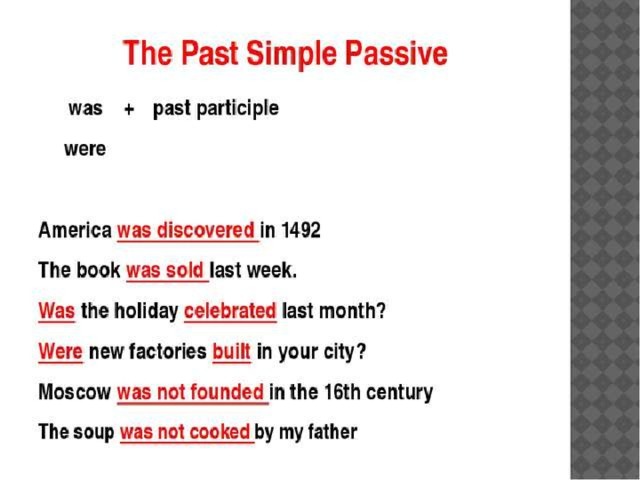
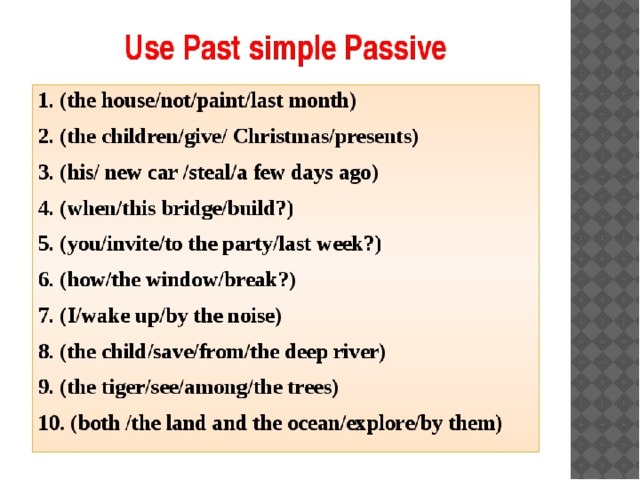
Past Passive
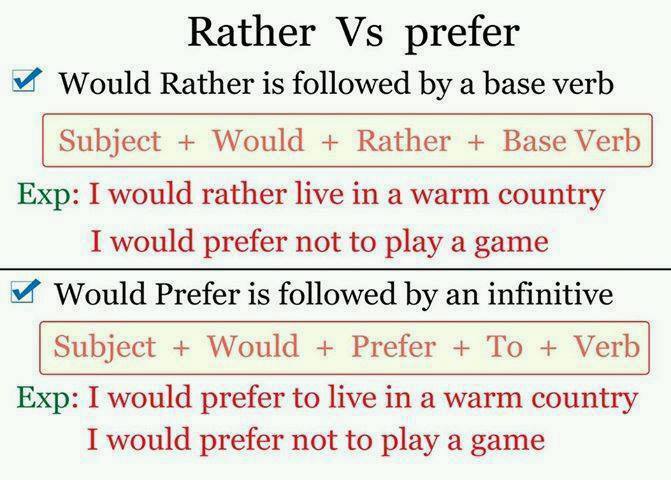
Would Rather vs Would Prefer
They both express preference. Though they have similar meanings, they are used in different ways.
Subject + would rather ('d rather) + base form of verb
I would rather (I'd rather) stay at home than go out right now.
When the person himself expresses a preference on something referring to the present or future:
Subject + would prefer + to infinitive + verb
I would prefer ('d prefer) to watch TV rather than (to) do shopping.
You can pracice here!!👇
I have cleaned my room.
He has just played handball.
We have lived in Canada since 1986.
I have been to London recently.
have/has + past participle *
| Long forms | Contracted forms |
|---|---|
| I have cleaned my room. | I've cleaned my room. |
| You have cleaned your room. | You've cleaned your room. |
| He has cleaned his room. | He's cleaned his room. |
| Long forms | Contracted forms |
|---|---|
| I have gone home. | I've gone home. |
| You have gone home. | You've gone home. |
| He has gone home. | He's gone home. |
| Long forms | Contracted forms |
|---|---|
| I have not cleaned my room. | I've not cleaned my room. |
| I haven't cleaned my room. | |
| You have not cleaned your room. | You've not cleaned your room. |
| You haven't cleaned your room. | |
| He has not cleaned his room. | He's not cleaned his room. |
| He hasn't cleaned my room. |
| Long forms | Contracted forms |
|---|---|
| I have not gone home. | I've not gone home. |
| I haven't gone home. | |
| You have not gone home. | You've not gone home. |
| You haven't gone home. | |
| He has not gone home. | He's not gone home. |
| He hasn't gone home. |
| Long forms | Contracted forms |
|---|---|
| Have I cleaned the room? | There are no contracted forms. |
| Have you cleaned the room? | |
| Has he cleaned the room? |
| Long forms | Contracted forms |
|---|---|
| Have I gone home? | There are no contracted forms. |
| Have you gone home? | |
| Has he gone home? |
* past participle:
To make the Present Continuous with future meaning, we use:
am / is / are + the ‘-ing’ form of the verb and add a time marker.
We form the negative by adding ‘not‘ to either the full form or short (contracted) form:
am / is / are + not + the ‘-ing’ form of the verb
To form a question, we rearrange the word order, placing the verb ‘be’ before the subject:
am / is / are + subject +the ‘-ing’ form of the verb
We often use the Present Continuous to talk about future arrangements. A future arrangement is a plan that we have decided and organised with another person, a group of people or a company:
It is not always necessary to state who the arrangement is with:
We often use the Present Continuous to talk about things we are about to start doing. This is especially common with verbs of movement, such as go, come, leave, etc.:
Certain verbs, actions or situations cannot be used with the Present Continuous with future meaning because they are not part of a plan, an arrangement or an intention. The present continuous tense for the future can only be used when an action or situation can logically be planned in advance:
Here’s a good video from To Fluency explaining the difference between ‘will’, ‘going to’ and Present Continuous for future actions and events👇
Modal Verbs of Probability
1:
Talking about the present:
must / might / could / may / can't + infinitive
For example:
I am waiting for Julie with another friend, David.
I ask: 'Where is Julie?'
David guesses:
·
She must be on the bus. (I'm fairly sure this is a good
guess)
·
She might come soon. (maybe)
·
She could be lost. (maybe)
·
She may be in the wrong room. (maybe)
·
She can't be at home. (I'm fairly sure this isn't true)
Notice that the opposite of 'must'
is 'can't in
this case.
.Will / won't
We use will and won't when we are very sure:
·
She'll be at work now.
.Should / shouldn't
Should and shouldn't are
used to make an assumption about what is probably true, if everything is as we
expect:
·
They should be there by now.
·
It shouldn't take long to drive here.
This use of should isn't usually used for negative events. Instead,
it's a better idea to use will:
·
The underground will be very busy now
(not: 'should be').
.Can
Can is
used for something that is generally possible, something we know sometimes
happens:
·
Prices can be high in London.
Can is
not used to talk about specific possibilities:
·
He could be on the bus (not: 'can be').
.Could
We can use could
+ infinitive to talk about a general possibility
in the past (compare with the use of 'can' above):
·
Prices could be high in the sixteenth
century.
This is not used to talk about specific possibilites
in the past (instead we use could
+ have + past participle):
·
He could have been working late (not:
'could be'. As this is a specific possiblity, 'could be' is present tense)
·
Shall
We can use shall
I and shall we + infinitive to make offers and suggestions and to ask for advice.
·
Shall I get you some medicine?
We often use would to make
requests. It’s a more polite and indirect form of will.
·
Would
you like to play golf?
We often use would
(or the contracted form ‘d ) in
the main clause of a conditional
sentence when we talk about imagined situations.
. He wouldn’t like it if you wore his helmet
PASSIVE TENSE
VERB TO BE + PAST PARTICIPLE
When we say what people do, we use ACTIVE VERBS .
Eg. I buid, I speak, etc.
When we say what happens to people or things ( what is done to them) we use the PASSIVE.
The OBJECT of an ACTIVE VERB corresponds to the SUBJECT of the PASSIVE verb.
ACTIVE A does B
PASSIVE B is done (by) A
Active : The gardener waters the flowers every evening
Passive: The flowers are watered by the gardener every evening.
Active : Helen doesn't drink anything in parties.
Passive: Nothing is drunk by Helen in parties.
Active : Who sells umbrellas?
Passive: Who are umbrellas sold by?
Active : My mother doesn't paint the walls.
Passive: The walls aren't painted by my mother.


| AFFIRMATIVE STATEMENTS | NEGATIVE STATEMENTS | ||||
| Subject | Past Tense of Be | Base Form of Verb +Ing | Subject | Past Tense of Be + Not | Base Form of Verb +Ing |
| I He She It | was | working. | I He She It | was not (wasn't) | working. |
| We You They | were | working. | We You They | were not (weren't) | working. |
| YES/NO QUESTIONS | ||||||||
| Past Tense of Be | Subject | Base For of Verb + Ing | Short Answers Affirmative | Short Answers Negative | ||||
| Was | I he she it | working? | Yes, | I he she it | was | No, | I he she it | was not (wasn't) |
| Were | we you they | working? | we you they | were | we you they | were not (weren't) | ||


| Positive | Positive Short Form |
| I have played | I've played |
| you have worked | you've worked |
| he has written | he's written |
| she has walked | she's walked |
| it has rained | it's rained |
| we have travelled | we've travelled |
| they have studied | they've studied |
| Negative | Negative Short Form |
| I have not eaten breakfast today | I haven't eaten |
| you have not been to Asia | you haven't been |
| he has not seen the new film | he hasn't seen |
| she has not played tennis | she hasn't played |
| it has not snowed this winter | it hasn't snowed |
| we have not slept all night | we haven't slept |
| they have not tried the food | they haven't tried |
| 'Yes / No' Questions |
| have I missed the bus? |
| have you visited London? |
| has he worked as a waiter before? |
| has she met John? |
| has it been cold this week? |
| have we arrived too early? |
| have they studied English grammar before? |
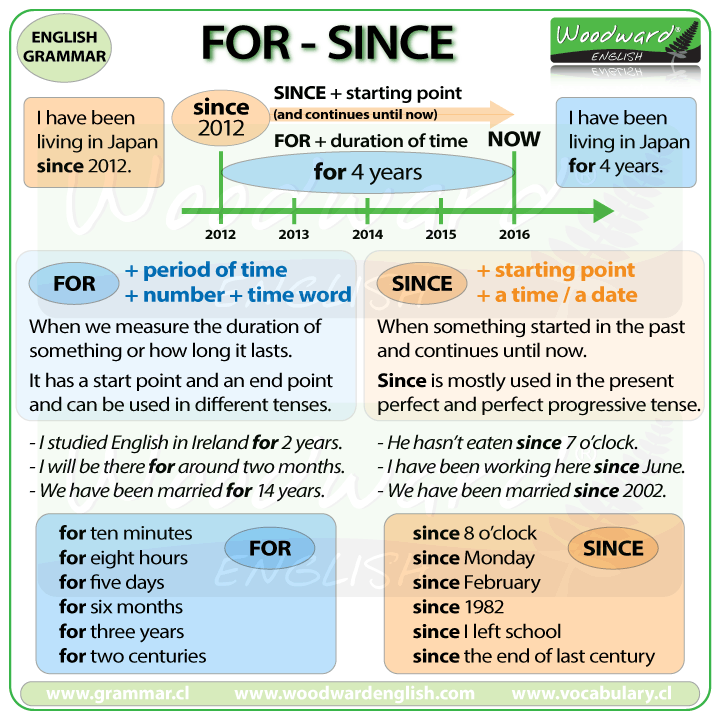
For
|
a day
ten months three weeks six years two hours a long time several hours |
Since
|
1990
May last year Christmas yesterday my wedding day she left you yesterday then I was born |