There are many types of civic values, all meant to help society grow. Service,
responsibility for oneself and respect are just some examples of
how people can perform daily acts which affect their community and those around
them. The following sections explore the ways in which individual acts can help
strengthen one's community.
Service
Providing service occurs when someone helps to do something for someone else.
One can provide service to a family member, neighbor, or even a stranger. The
purpose of service is to help those who may not be able to do something by
themself. Some examples of service include:
Providing service occurs when someone helps to do something for someone else.
One can provide service to a family member, neighbor, or even a stranger. The
purpose of service is to help those who may not be able to do something by
themself. Some examples of service include:
- Bringing food to an injured neighbor
- Volunteering at a soup kitchen
- Helping an elderly person cross the street
- Picking up trash at a beach
- Offering to watch a child so their parents can go to work
- Organizing a coat drive to provide clothing in the cold, winter months
- Donating books to a school
Providing a service is often tied to volunteering or charity work, and offers ways for all citizens to play an active role in bettering their community
In the civic education of the new generations it is essential to promote values that allow them to be exemplary citizens.
Here are ten values that we must promote in children for them to apply in their daily lives and in society:
- Bringing food to an injured neighbor
- Volunteering at a soup kitchen
- Helping an elderly person cross the street
- Picking up trash at a beach
- Offering to watch a child so their parents can go to work
- Organizing a coat drive to provide clothing in the cold, winter months
- Donating books to a school
Providing a service is often tied to volunteering or charity work, and offers ways for all citizens to play an active role in bettering their community
In the civic education of the new generations it is essential to promote values that allow them to be exemplary citizens.
Here are ten values that we must promote in children for them to apply in their daily lives and in society:
Respect: Learning to respect others, their ideas and their rights is essential for harmonious coexistence.
Tolerance: Fostering tolerance towards cultural, religious and opinion differences contributes to a more inclusive society.
Honesty: Honesty is the foundation of trust and integrity.
Responsibility: Teaching children to take responsibility from an early age helps them become committed citizens.
Kindness: Small gestures of kindness can make a difference in the lives of others.
Gratitude: Teaching children to be grateful promotes a positive attitude toward life.
Humility: Humility allows them to recognize that everyone has a lot to learn from the rest.
Solidarity: Solidarity strengthens community by fostering mutual aid.
Autonomy: Promoting autonomy gives children the confidence to make responsible decisions.
Confidence: Inculcating self-confidence allows them to face challenges with determination.
Respect yourself
- Can you remember a day when you made a mistake? What did you do? How did you solve the problem?
- Write three things you are good at.
- What are the two main reasons why we should be nice to others?
- Write three nice things you could say to your classmates to encourage them.
HOW DO I FEEL?
Secondary emotions: embarrassment, relief, concern or pleasure.
- Which emotions are related to friendship?:
- Can friendship change our mind?
Being a Good Citizen
What is Global Citizenship for Kids?
Being A Good Cityzen
Mandala
Mandala art ll geomertic pattern ll easy mandala ll geomertic tutorial.
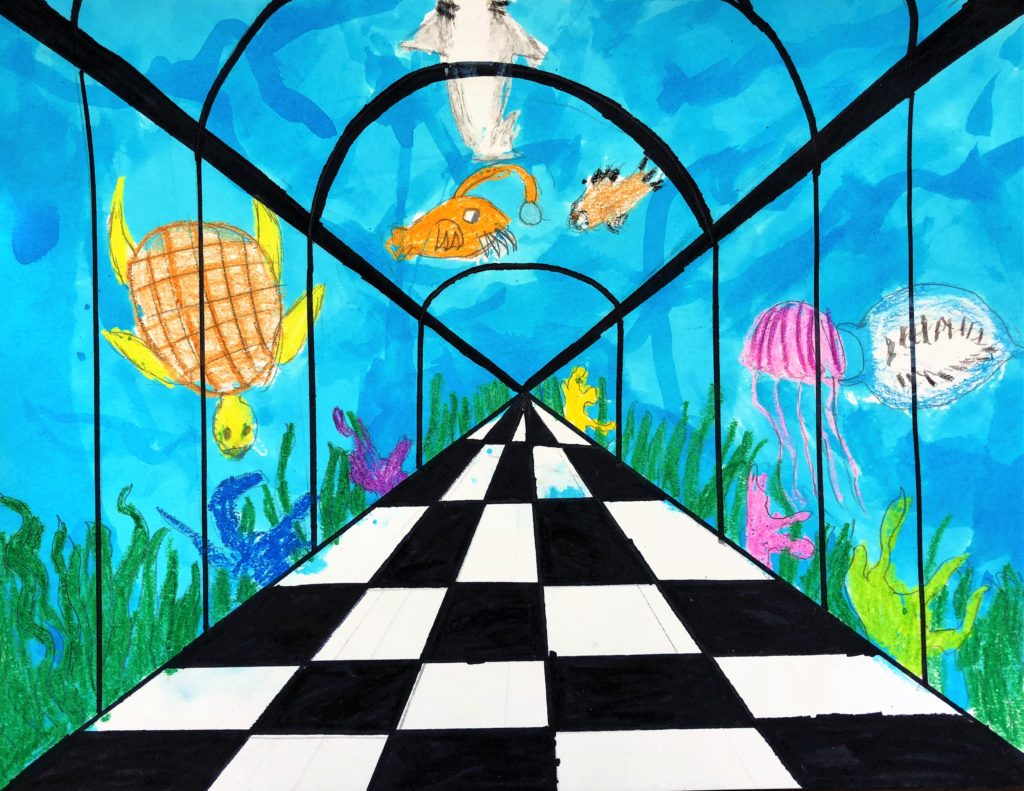
In this Aquarium Perspective Lesson, Middle School students will dive right into learning about the principle of perspective while designing an aquarium. This project covers Common Core Standards for Math and Science for grades 4-8 which can be found at the end of the lesson.
Objective
In this Aquarium Perspective Lesson, students will demonstrate one-point perspective by creating artwork inspired by a walk-through aquarium.
Time
3 – 60 min lessons
Materials
- Pencils
- Rulers
- Crayons
- 9×12 Watercolor paper
- Brushes –
- Liquid Water Colors
- Kleenex for blotting paint
- Black Sharpie Marker
🐣 🐣 HAPPY EASTER! 🌷games & fun ideas🐰
How To Draw An Easter Bunny Folding Surprise


Joan Miro. Brief biography and paintings.
How to make a Venetian mask with paper.
Task: Draw a Picasso face.
Instructions:
Have a go at making your very own Picasso Masterpiece. Let the roll of a dice decide what your Picasso face will become.
All you need is some paper, coloured pen/pencils and a dice. (If you don't have a dice you can always write 1-6 on 6 small pieces of paper, put them in a bowl and pull them out at random).
Have fun creating your portrait masterpieces just like Picasso.
Example:


Who is Vincent Van Gogh? Click here 👇
https://www.tate.org.uk/kids/explore/who-is/who-vincent-van-gogh
Edvard Munch
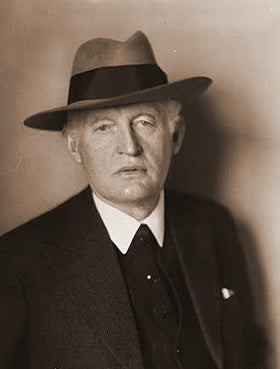
Edvard Munch brief biography and artwork
How to draw The Scream

Friday 29th May
ART 🎨HOW TO MAKE A ROMAN MOSAIC
Large mosaics were used to decorate floors an d walls in community buildings as well as in the houses of rich, important Romans.
Here is a video about it.
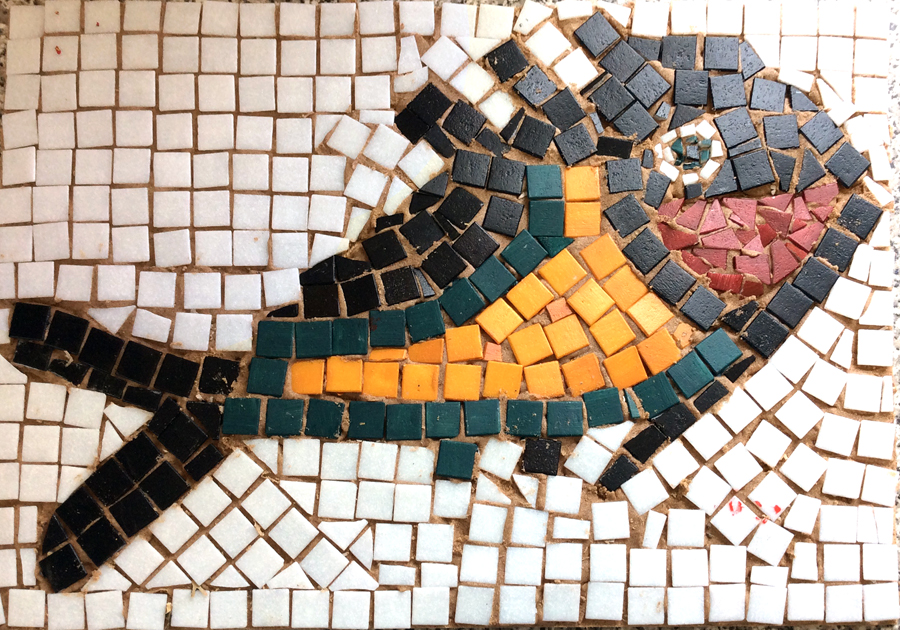


How To Make A Roman Mosaic
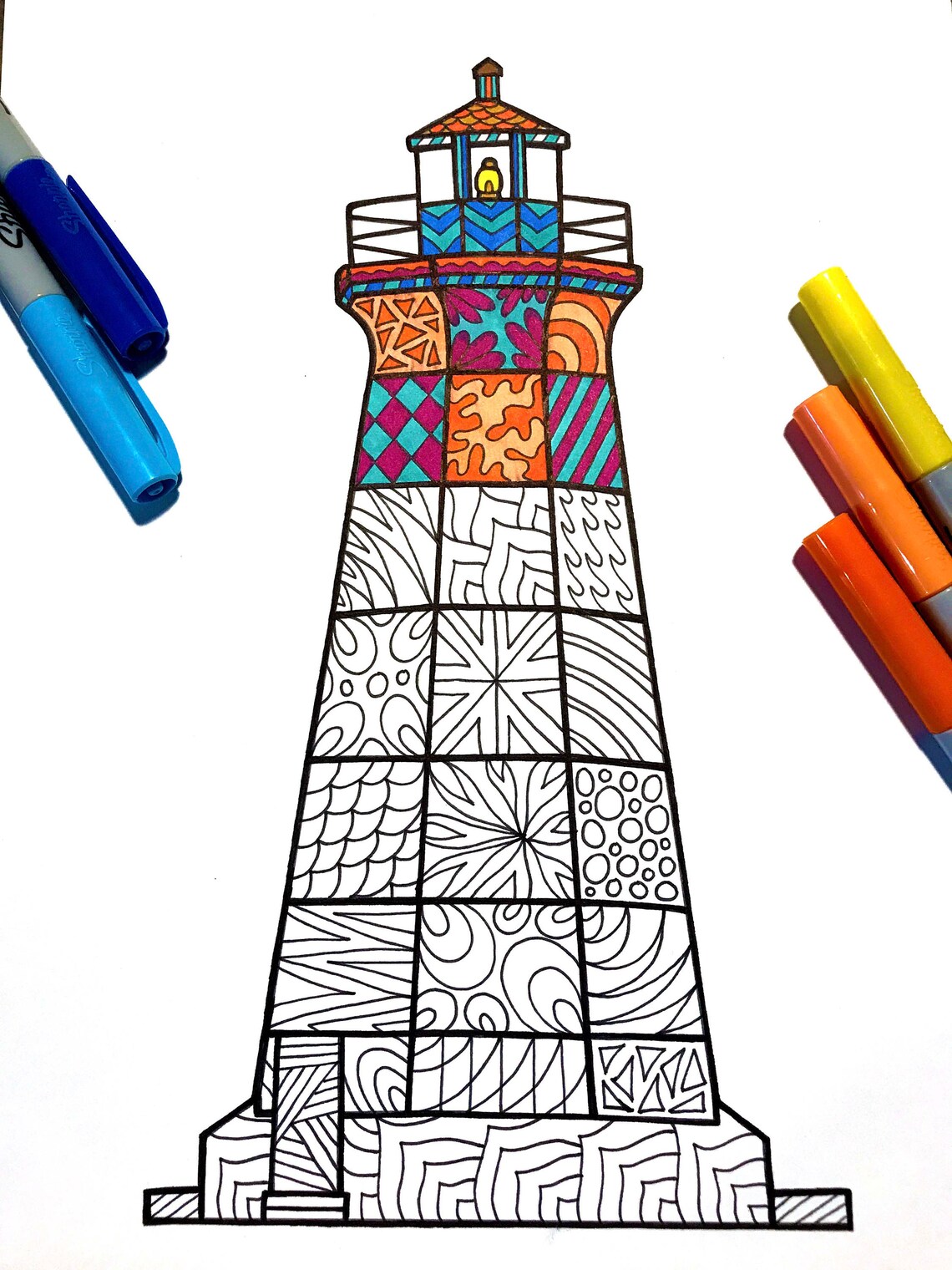
ART 🎨 Colouring a Lighthouse.
Relax and have fun using your favorite colored pencils, pens, watercolors, paint, pastels, or crayons.
Original art by Devyn Brewer.
Click 👇 and print it.
https://i.etsystatic.com/12077451/r/il/409b5b/1284549446/il_1140xN.1284549446_9z45.jpg
Friday 15th May
How To Draw A Tree
Have fun!! And send it to me, please. 📩😉
Friday 30th April
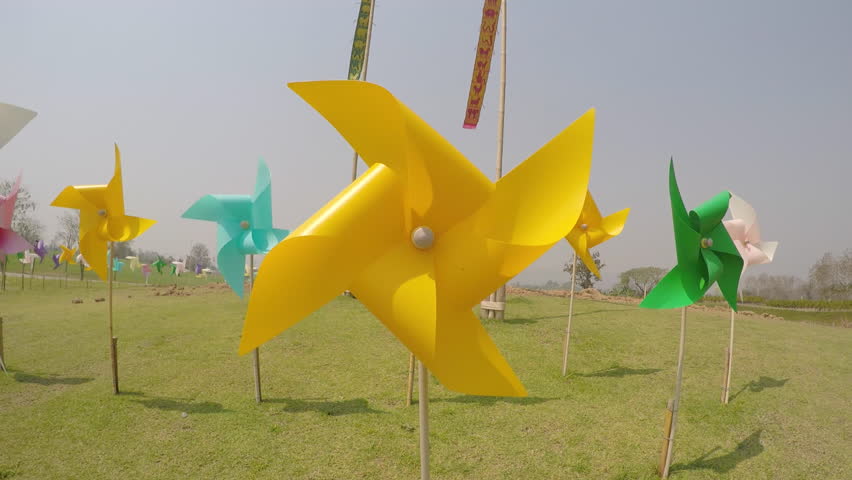
ART 🎨 How to make a paper windmill.
Here's a video I share with you about the project.👇
A card
A straw
A toothpickGlue
Scissors
Take a picture of your project and send it to me, please.
Stay at home and enjoy being with your family!
Hi!
REMEMBER!!
On Sunday it's Mother's Day.👸💕
DIY Heart Notebook
Heart Flower Craft
How to draw a Mother's Day card
Friday 24th April
ART 🎨 Object & Illustration Challenge 📎
Now it's your turn!!. You have to combine drawing and objects
Here's more inspiration for you. Look around your house,
Be creative and have fun!!!
Hi kids!!!
I know Easter is over, but it's a good idea to make a rabbit.
This week we are going to make an Easter rabbit!!
Friday 17th April
You will need:
A card
A pencil
Pencil colours or crayons
A beaker ( cubilete )
Glue stick
Scissors
REMEMBER:
Keep your works at home to bring them to school.🏫
Do not throw them away!!!!

No hay comentarios:
Publicar un comentario